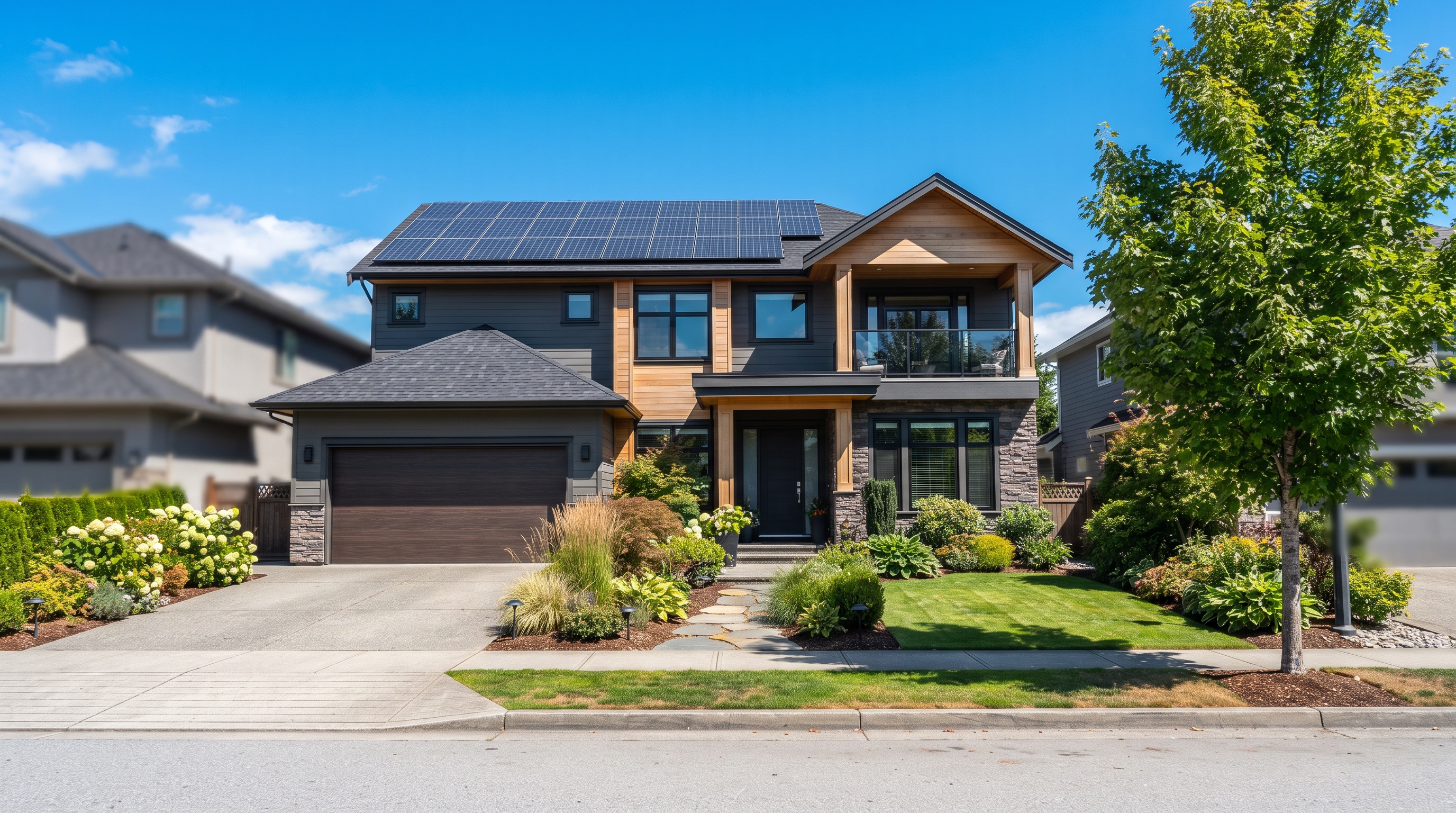
If an ad has told you "the government will pay for your solar panels," it's worth pausing. In 2026 there is no national program that writes homeowners a cheque for going solar, and the two federal programs that used to help — the Greener Homes Grant and the Greener Homes Loan — have both stopped taking new applicants.
That doesn't put solar out of reach. It means the useful support has shifted closer to home: to your province, your municipality and your electricity utility, along with net metering and ordinary financing. Because those vary so much from place to place, the honest first move isn't "sign up" — it's "find out what applies to me." This guide shows how.
Where home-solar support comes from now
Picture it as three buckets. Local programs: some provinces, cities and utilities run rebates, micro-generation incentives or financing — but plenty run nothing, and the ones that exist change often. Net metering: most utilities credit you for the surplus power your panels send back to the grid, which trims your bills over time. And financing: with the federal loan gone, spreading the up-front cost now usually means an installer plan, a bank product, or any provincial financing that happens to exist near you.
Because the mix in Ontario isn't the mix in Alberta or Nova Scotia, no single article — this one included — can hand you your exact numbers. What it can do is show you the questions to ask and where to confirm the answers.
What's closed, and what that "30% credit" really is
For a few years Ottawa ran two headline programs: the Canada Greener Homes Grant, an up-front grant, and the Canada Greener Homes Loan, an interest-free loan of up to $40,000. The grant stopped accepting new applicants in 2024, and the loan is no longer open to new applicants either. If a page still advertises either one as available for 2026, it's out of date.
And that "30% federal solar tax credit" you may have seen? It's an American program — the U.S. residential solar credit — with no federal equivalent in Canada. Any Canadian page quoting a 30% federal credit has simply borrowed it from U.S. content.
The realistic 2026 picture isn't a national giveaway. It's whatever your province and utility offer, net metering for the power you export, and a financing plan to spread the cost — with a payback that depends on your own roof and hydro rates.
Who tends to qualify
Every program writes its own rules, but three questions come up almost everywhere. Clearing them doesn't guarantee approval — it just tells you whether it's worth applying.
You and the property
- You're usually the homeowner, and some programs are limited to your primary residence — rentals and cottages are often treated differently;
- The home is in a province or utility area where the program — or net metering — is actually offered;
- You can keep the system connected, insured and maintained as the program requires.
The roof and equipment
- Your roof has workable orientation, slope, age and shading — an installer or assessor confirms this on site;
- The gear meets the standards a program expects, such as CSA-certified panels and a licensed electrician for the grid tie-in;
- The system is sized to your home so it stays within your utility's net-metering capacity limits.
The paperwork
- Provincial or utility rebates usually need a quote or invoice from an approved installer and an application filed by a deadline;
- Some programs want a home-energy assessment or draw from an approved-product list;
- A net-metering agreement with your utility is signed before the system is switched on.
What it costs, without the hype
Installed residential solar is often quoted at roughly $2 to $3.50 per watt, which puts a typical home system somewhere in the low-to-mid tens of thousands of dollars before any incentive. Financing can spread that cost, a local rebate (if you qualify) trims it, and net metering chips away at your ongoing bill. How fast it pays for itself depends on your system size, how much power you use, and your local hydro rates — which is why a fixed "save X%" figure means little without your address.
Say a homeowner is quoted around $24,000 for a system and spreads it over a financing plan. Net-metering credits offset part of their annual power bill, and if their utility or province happens to run a rebate, that lowers the net cost further. Whether break-even lands nearer 8 years or 15 comes down entirely to local rates, sunlight and usage. These figures are illustrative and will differ for your home.
The practical takeaway: get more than one written quote, and ask each installer to model your production and net-metering credits for your specific roof rather than quote a headline percentage.
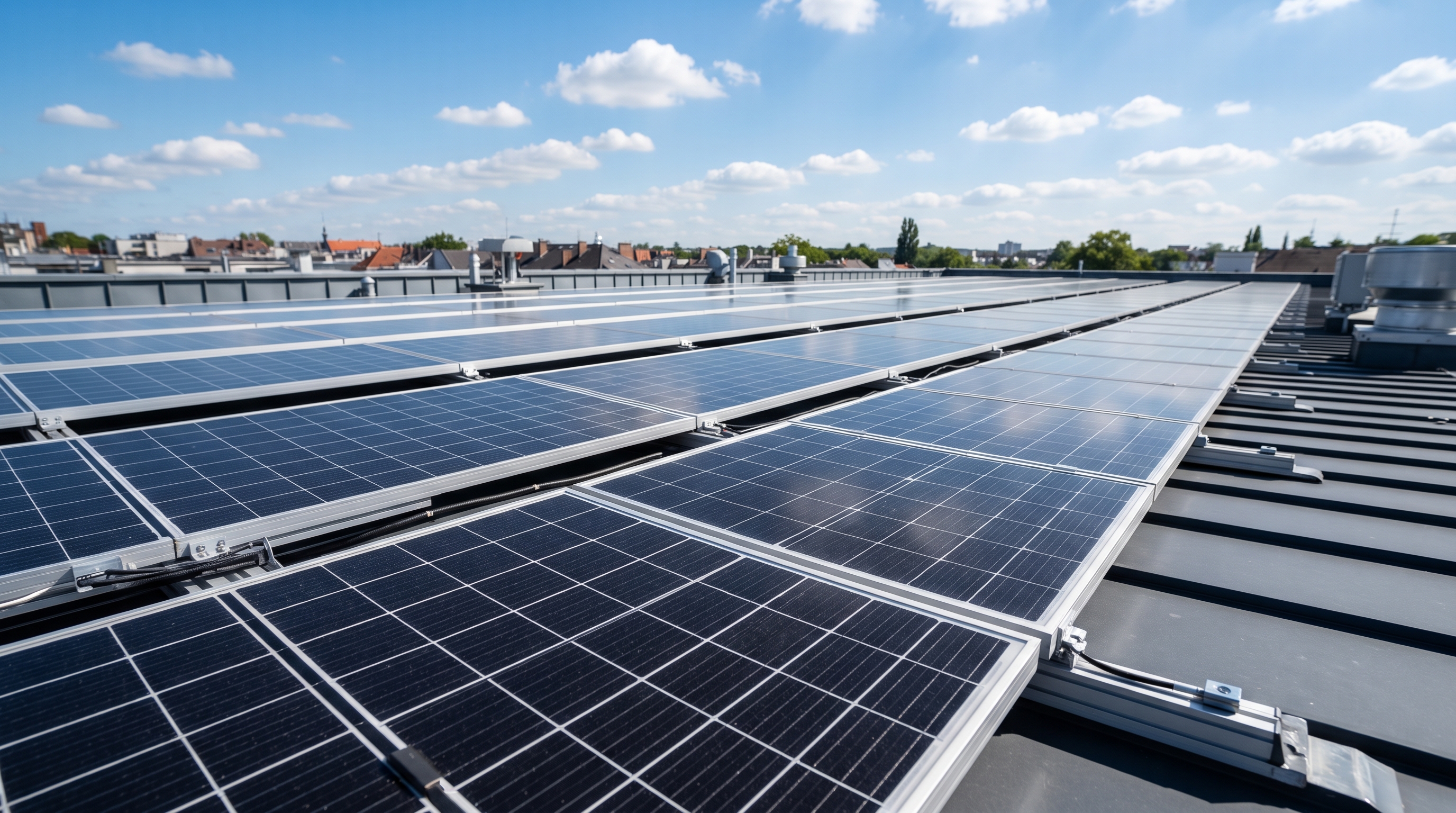
From curious to connected, in order
Solar is less a single application than a sequence: check what's available locally, compare quotes, line up financing and any rebate, install, and connect to the grid under a net-metering agreement. Doing the homework and quotes first keeps you from committing before you know the real numbers.
- Check what applies to your address — provincial, municipal and utility programs, net-metering terms, and financing options.
- Get two or three quotes from certified installers, each modelling your expected production for your roof.
- Confirm the current rules and deadlines with your province's energy authority and your local utility.
- Line up financing and any rebate before you sign, and check the documents each one needs.
- Have it installed by a licensed installer using standards-compliant equipment.
- Sign the net-metering agreement with your utility before the system is connected to the grid.
The 2026 picture at a glance
There's no single national number to lean on anymore. This is the honest snapshot — confirm the details that apply to your own province and utility.
The Greener Homes Grant stopped taking new applicants.
The Greener Homes Loan is no longer accepting new applicants.
Credits for exported power; terms set by your province and utility.
Provincial, municipal, utility and installer options differ by area.
Net metering, province by province
Net metering is what turns panels into ongoing savings: when your system produces more than you're using, the surplus flows to the grid and your utility credits you, usually against future bills. How those credits are valued, how long they carry, and the maximum system size are all set locally — so the same panels can pay back differently in two provinces. Treat the table below as orientation, and confirm the specifics with your own utility.
| Province | Net metering | Notes |
|---|---|---|
| Ontario | Available | Run through local distribution utilities; credits applied to your bill. |
| Alberta | Available | Micro-generation framework; export credit value varies by retailer. |
| British Columbia | Available | BC Hydro and FortisBC programs; credits reconciled annually. |
| Quebec | Available | Hydro-Québec net metering; surplus credited in kilowatt-hours. |
| Atlantic provinces | Varies | Programs differ by utility; some have offered added rebates. |
How the remaining pieces stack
What's left is meant to work together: a local rebate if you qualify, net metering for the ongoing benefit, and a financing plan for the up-front cost. The federal grant and loan are the pieces that have gone, so ignore any ad still promising them.
| Option | Available for solar | Note |
|---|---|---|
| Net metering | Yes | Offered by most utilities; credits you for exported power. Terms set locally. |
| Provincial / utility rebates | Varies | Some provinces, cities and utilities offer them; availability and amounts change often. |
| Installer / lender financing | Varies | Private financing to spread the cost; compare rates and terms carefully. |
| Home battery incentives | Varies | A few programs support storage alongside solar; check local eligibility. |
| Canada Greener Homes Loan | Closed | The interest-free federal loan is no longer accepting new applicants. |
| Canada Greener Homes Grant | Closed | The up-front federal grant stopped accepting applicants in 2024. |
| US-style 30% federal tax credit | N/A | A United States program; there is no federal equivalent in Canada. |
Traps worth avoiding
The most common one is signing with the first salesperson. Solar is pitched door-to-door and online, and quotes for the same roof can differ by thousands of dollars. Two or three written quotes — each showing its production and net-metering assumptions — is the simplest way to avoid overpaying.
The second is believing a guaranteed number. "Wipe out your hydro bill" or "save 70%" are sales lines; your real result depends on your usage, roof and rates. If a figure sounds locked in, ask to see the math for your own address in writing.

Be wary of anything implying the government will pay for your solar, that a federal grant or interest-free loan is still open, or that you "qualify" just because your power bill is above some amount. Those are advertising hooks, not program rules — the federal programs have closed. The genuine Canadian picture is local programs plus net metering and ordinary financing: useful, but not free money. Read the contract, verify with the official source, and never let a "limited-time" line rush you.
See which solar options may apply in your area
Enter your details and we'll help connect you with a solar provider who can check the rebates, financing and net-metering programs available for your province and utility, assess your roof, and give you a written, no-obligation quote. No cost, no commitment — just a starting point for comparing your options.